
Nutrition for Growing Minds: Best Nigerian Foods for Your Child’s Brain Development

The foundation of your child’s cognitive development begins on their plate. In Nigeria, where we are blessed with an abundance of nutritious traditional foods, parents have incredible opportunities to support their children’s brain development through informed dietary choices. Understanding which Nigerian foods boost cognitive function, memory, and learning capacity can help you make meal decisions that literally shape your child’s intellectual potential.
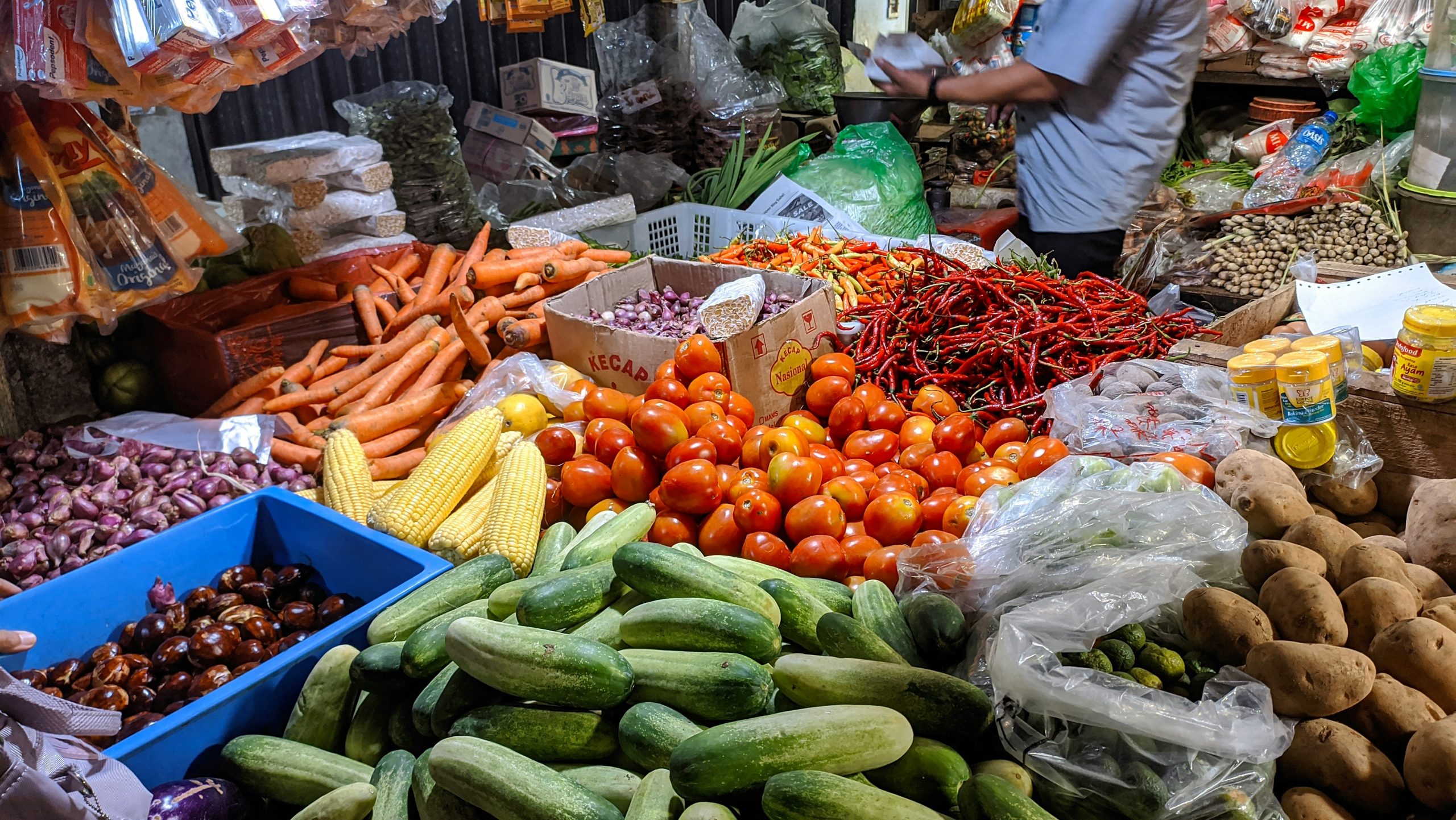
The Science of Nutrition and Brain Development
During the first few years of life, children’s brains develop at an extraordinary pace, forming millions of neural connections every second. This rapid development requires specific nutrients that serve as building blocks for brain tissue, support neurotransmitter production, and protect developing neural pathways from damage.
Research consistently demonstrates that proper nutrition during early childhood has long-lasting effects on cognitive ability, academic performance, and behavioral regulation. Children who receive optimal nutrition during these critical years show improved attention spans, better memory retention, enhanced problem-solving skills, and greater emotional stability.
Essential Nutrients for Brain Development
Omega-3 Fatty Acids These essential fats are crucial for brain development, particularly DHA (docosahexaenoic acid), which comprises a significant portion of brain tissue. Omega-3s support memory formation, cognitive processing, and emotional regulation while protecting against inflammation that can impair brain function.
Iron Iron deficiency is one of the most common nutritional deficiencies affecting Nigerian children, yet iron is absolutely critical for brain development. Iron supports oxygen transport to the brain, neurotransmitter production, and cognitive function. Even mild iron deficiency can impact attention, memory, and learning ability.
Protein and Amino Acids High-quality proteins provide amino acids that serve as building blocks for neurotransmitters—the chemical messengers that enable brain cells to communicate. Adequate protein intake supports mood regulation, attention, and cognitive processing.
B Vitamins B vitamins, particularly B6, B12, and folate, support brain development by facilitating neurotransmitter production, protecting neural pathways, and supporting healthy brain cell metabolism.
Zinc This mineral plays crucial roles in brain development, memory formation, and attention regulation. Zinc deficiency can impair cognitive function and learning ability.
Top Nigerian Foods for Brain Development
Fish and Seafood Nigeria’s coastal regions provide access to excellent sources of omega-3 fatty acids through fresh fish including mackerel (titus), sardines, and salmon. These fish are rich in DHA and EPA, the specific omega-3s most beneficial for brain development.
Traditional preparations like pepper soup, grilled fish, and fish stew provide delicious ways to incorporate these brain-boosting nutrients into children’s diets. For inland families, dried fish and canned sardines offer affordable alternatives.
Eggs Eggs are nutritional powerhouses for brain development, providing high-quality protein, choline (essential for memory development), and various B vitamins. Nigerian children can enjoy eggs prepared in numerous ways including boiled eggs, scrambled eggs with vegetables, or incorporated into traditional soups and stews.
The choline in eggs is particularly important for brain development as it supports the production of acetylcholine, a neurotransmitter crucial for memory and learning.
Leafy Green Vegetables Traditional Nigerian vegetables like spinach (ugu), bitter leaf, and waterleaf are excellent sources of folate, iron, and antioxidants that support brain health. These vegetables also provide vitamins A and K, which contribute to cognitive function and neural protection.
Incorporating these vegetables into traditional soups, stews, and sauces ensures children receive these nutrients in familiar, appealing formats.
Beans and Legumes Nigerian staples including black-eyed peas, kidney beans, and lentils provide plant-based protein, iron, folate, and complex carbohydrates that support steady energy for brain function. These legumes also contain zinc and magnesium, minerals important for cognitive development.
Traditional preparations like moi moi, akara, and bean porridge offer enjoyable ways to include these brain-supporting foods in children’s diets.
Nuts and Seeds Groundnuts (peanuts), tiger nuts, and sesame seeds provide healthy fats, protein, vitamin E, and minerals that support brain development. These foods can be enjoyed as snacks, incorporated into traditional sweets, or ground into pastes for cooking.
Tiger nuts, in particular, are rich in vitamin E, an antioxidant that protects brain cells from damage while supporting cognitive function.
Palm Fruit and Red Palm Oil Red palm oil, when used in moderation, provides vitamin E and beta-carotene (vitamin A precursor) that support brain health. Palm fruit itself is rich in antioxidants that protect developing brain cells.
Yogurt and Fermented Dairy Yogurt provides probiotics that support gut health, which is increasingly recognized as important for brain function through the gut-brain connection. The protein and B vitamins in yogurt also directly support cognitive development.
Nigerian families can enjoy yogurt as snacks, smoothies, or incorporated into traditional meals.
Whole Grains Traditional whole grains like brown rice, whole wheat, and millet provide complex carbohydrates that support steady energy for brain function. These grains also contain B vitamins and iron that directly support cognitive development.
Avocados Rich in healthy monounsaturated fats, avocados support brain development and provide folate and potassium. They can be enjoyed as snacks, incorporated into smoothies, or used in traditional preparations.
Creating Brain-Healthy Meal Patterns
Breakfast for Brain Power Starting the day with protein-rich, nutrient-dense foods supports cognitive function throughout the day. Brain-healthy Nigerian breakfast options include:
- Egg and vegetable omelet with whole grain bread
- Bean porridge with fish
- Moi moi with groundnut paste
- Yogurt with groundnuts and fruits
Lunch and Dinner Optimization Traditional Nigerian meals can be optimized for brain health by ensuring adequate protein, incorporating diverse vegetables, and choosing whole grains over refined options. Examples include:
- Fish pepper soup with vegetables and brown rice
- Chicken stew with spinach and beans
- Beef and vegetable soup with whole grain accompaniments
Smart Snacking Between-meal snacks provide opportunities to boost brain-supportive nutrients:
- Mixed nuts and seeds
- Hard-boiled eggs
- Yogurt with fruits
- Traditional fruit combinations
Addressing Common Nutritional Challenges
Iron Deficiency Prevention Iron deficiency remains common among Nigerian children, particularly affecting cognitive development. Combat this by:
- Combining iron-rich foods with vitamin C sources (tomatoes, oranges)
- Including animal proteins when possible
- Using iron-rich traditional vegetables regularly
- Avoiding tea or coffee with iron-rich meals
Ensuring Adequate Protein Growing brains need consistent protein intake. Strategies include:
- Including protein sources in each meal
- Combining plant proteins for complete amino acid profiles
- Using traditional protein-rich preparations like moi moi and akara
Hydration for Brain Function Adequate hydration is crucial for cognitive function. Encourage water consumption throughout the day and limit sugary beverages that can cause energy crashes affecting concentration.
The Role of School Nutrition Programs
Schools with comprehensive management systems often track student nutrition and can provide valuable support for brain-healthy eating habits. These systems might monitor:
- Student meal participation and preferences
- Nutritional content of school meals
- Coordination between school and home nutrition efforts
Quality school nutrition programs complement home efforts by providing brain-healthy meals and nutrition education that reinforces healthy eating habits.
Foods to Limit for Optimal Brain Development
Processed and Sugary Foods Highly processed foods and those high in added sugars can cause energy spikes and crashes that impair concentration and learning. Limit:
- Sugary snacks and beverages
- Processed convenience foods
- Artificially flavored and colored items
Trans Fats and Excessive Saturated Fats These fats can impair brain function and should be limited. Focus on healthy fats from fish, nuts, seeds, and moderate amounts of traditional oils.
Practical Implementation Strategies
Meal Planning and Preparation Plan weekly menus that incorporate brain-healthy Nigerian foods across all meals and snacks. Prepare ingredients in advance to make healthy choices convenient during busy periods.
Family Involvement Involve children in food selection, preparation, and cooking to build positive relationships with nutritious foods. Teaching children about nutrition empowers them to make healthy choices independently.
Cultural Integration Emphasize how traditional Nigerian foods support health and cognitive development, building pride in cultural food traditions while promoting optimal nutrition.
Monitoring and Adjusting
Observing Changes Pay attention to how dietary changes affect your child’s energy levels, attention span, mood, and academic performance. Quality nutrition often produces noticeable improvements in these areas.
Professional Guidance Consult with healthcare providers or nutritionists if you have concerns about your child’s nutrition or if they have specific dietary needs or restrictions.
Long-Term Perspective
Building Lifelong Habits Focus on establishing healthy eating patterns that children can maintain throughout their lives rather than forcing temporary dietary changes. Positive associations with nutritious foods developed in childhood tend to persist into adulthood.
Academic and Life Success Investing in optimal nutrition during childhood pays dividends throughout your child’s academic career and life. The cognitive benefits of proper nutrition compound over time, supporting academic success, career achievement, and overall well-being.
Call to Action:
Ready to optimize your child’s nutrition for peak brain development? Schedule a consultation with our pediatric nutrition specialists to create a personalized meal plan featuring brain-boosting Nigerian foods. Learn how to transform traditional recipes into cognitive powerhouses while ensuring your child enjoys every bite. Contact us today to give your child the nutritional foundation for academic success.